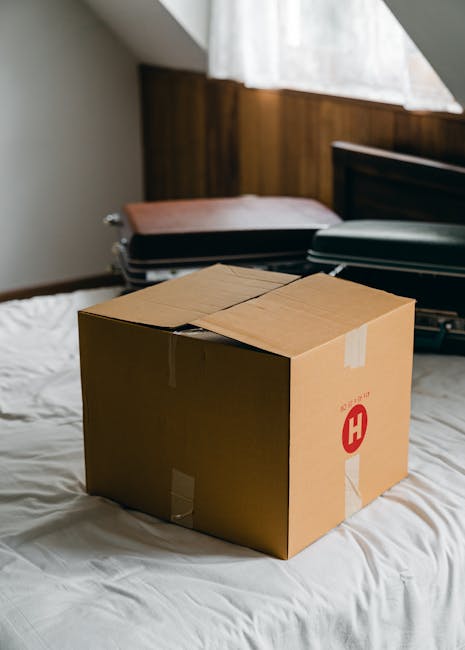
Common packing mistakes for Hackney Marshes removals

Moving home or office near Hackney Marshes can feel deceptively simple until the boxes start piling up. Then the little things bite: a lamp packed without padding, books dumped into one overfilled box, kitchen items thrown together with no labels, and suddenly the move is slower, heavier, and far more stressful than it needed to be. This guide to Common packing mistakes for Hackney Marshes removals is here to help you avoid those headaches before moving day arrives. Whether you are using a man and van, booking a full house move, or planning a small flat relocation, the packing stage can make or break the whole experience.
Truth be told, most moving problems start with packing decisions made in a rush. The good news? They are almost all preventable. In the sections below, you will find a practical breakdown of what goes wrong, why it matters locally, and how to pack in a way that saves time, money, and your sanity. Not a bad trade, really.
Why Common packing mistakes for Hackney Marshes removals Matters
Packing mistakes are not just minor annoyances. They affect the pace of the move, the safety of your belongings, and the amount of physical effort needed on the day. In Hackney Marshes and the surrounding East London area, where streets can be busy and access can be tight, poor packing adds friction very quickly. A removal van may need to be loaded and unloaded efficiently, and cluttered, fragile, or badly labelled boxes slow everything down.
There is also a cost angle. If boxes are weak, overfilled, or badly organised, you may need extra time to repack, replace damaged items, or make additional trips. That is where a move that looked manageable on paper starts to feel messy in real life. And let's face it, nobody wants to be hunting for bedding at 10pm because the label said "miscellaneous" on three different boxes.
Packing well also helps if you are comparing different moving options such as home moves, house removals, or a smaller man with van service. The better your boxes are prepared, the easier it is for movers to estimate space, plan loading order, and protect the load in transit.
Expert summary: The biggest packing mistakes usually come down to three things: using the wrong box size, underestimating fragility, and failing to label clearly. Fix those three and you solve a surprising amount of moving-day stress.
How Common packing mistakes for Hackney Marshes removals Works
Good packing is more than putting items in boxes. It is a system. You sort, protect, group, label, and stage everything so that loading becomes predictable rather than chaotic. When that system breaks down, you see the common mistakes that cause the most trouble.
Here is the basic flow that should happen during a well-organised move:
- Sort items into keep, donate, recycle, and move.
- Choose the right box or container for each type of item.
- Wrap fragile belongings properly and fill empty space.
- Keep heavy items low and light items on top.
- Seal and label every box with enough detail to be useful.
- Create a separate essentials kit for the first 24 hours.
- Group boxes by room or priority so unloading is quicker.
Where people go wrong is usually in step 2, 3, or 5. They use whatever boxes are available, skip proper cushioning, and slap on a vague label because they are tired. Fair enough, moving is tiring. But those shortcuts have a habit of coming back at you later.
If you are moving from a home, flat, or shared property, a service like packing and unpacking services can remove a lot of that pressure. It is especially useful when the move includes awkward items, fragile kitchenware, or a lot of last-minute jobs that are easy to underestimate.
Key Benefits and Practical Advantages
Getting packing right is not about being overly neat for the sake of it. It delivers practical gains that you will notice straight away.
- Less breakage: Proper cushioning and correct box selection reduce the chance of damage.
- Faster loading: Clearly packed and labelled boxes are easier to handle and stack.
- Lower strain: Heavy items packed sensibly are safer to lift.
- Less confusion: Good labels mean fewer boxes opened in the wrong room.
- Better vehicle use: Boxes of a similar size stack more efficiently in a van or truck.
- Cleaner arrival: Essentials are easy to find, so the first night feels calmer.
One practical detail people often miss: good packing also helps the mover itself. Whether you are using a moving van or arranging a bigger vehicle through removals, well-packed items are easier to load securely and less likely to shift during transport.
That matters even more if you have narrow stairwells, limited parking, or tight turnaround times. In those situations, the difference between "reasonably packed" and "properly packed" is not subtle. You notice it within minutes.
Who This Is For and When It Makes Sense
This advice is useful for almost anyone moving property in or around Hackney Marshes, but it is especially relevant if your move has one or more of these features:
- You are moving on a budget and want to avoid damage or extra trips.
- You are handling the packing yourself rather than booking a full-service team.
- You live in a flat with stairs, lifts, or awkward access.
- You have fragile household items, electronics, mirrors, or artwork.
- You are moving a mix of home and office items.
- You are downsizing and need to be selective about what actually gets moved.
It also makes sense for people who have already booked a provider but want to keep the process smooth. Even if you are working with a professional removal company, the better your packing is, the more efficient the whole move becomes.
If you are in a hurry, do not assume packing mistakes only affect large family homes. Small moves can be just as tricky. A one-bedroom flat packed badly can be more frustrating than a larger place packed with a bit of planning. Tiny move, big chaos. Happens all the time.
Step-by-Step Guidance
If you want to avoid the most common errors, use a simple, repeatable packing method. Nothing fancy. Just consistent.
1. Start with a room-by-room sort
Do not pack randomly from one cupboard to the next. Start with one space, then finish it. This helps you spot duplicates, broken items, and things you no longer need. You will also avoid the classic "half the kitchen in one box" problem.
2. Choose the right materials
Use strong boxes, tape, paper, protective wrap, and labels. Avoid flimsy supermarket boxes for heavy items. They may hold for a moment, but not always at the exact moment you need them most.
3. Pack by weight and fragility
Heavy items should go in smaller boxes. Lighter, bulkier items can go in larger ones. Fragile things need cushioning on all sides, not just on top. A mug floating near the side of a box is asking for trouble.
4. Keep an essentials box
Pack one clearly marked box or bag with chargers, basic toiletries, medication, a change of clothes, kettle supplies, tea bags, and important documents. If your first evening runs late, you will be grateful. Very grateful.
5. Label in a way that actually helps
Labels should show the room, contents, and any handling note such as "fragile" or "open first". A label that just says "stuff" is more or less useless. Be specific enough that you can act on it quickly.
6. Build a loading order in your mind
Think about what needs to come off the van first. Essential boxes, furniture parts, and bedding should not be buried behind seasonal decorations and spare cables. If you are using removal van transport, good load planning saves time at both ends.
Expert Tips for Better Results
Here are a few practical habits that experienced movers tend to rely on.
- Pack one heavy item type per box: Books with books, tools with tools, files with files. Mixed heavy loads are awkward and often unsafe.
- Use small boxes more often than you think: People overpack large boxes, then regret it halfway down the stairs.
- Protect corners and edges: Table corners, mirrors, frames, and screens are usually where damage starts.
- Take quick photos of cable setups: This saves time if you are dismantling tech, desks, or entertainment units.
- Keep hardware together: Put screws, shelf pins, and fixings in labelled bags taped to the relevant furniture.
- Seal the bottom properly: Cross-taping the base is worth the extra ten seconds.
A small human tip, if you like: pack one box at a time and finish it completely before starting the next. Half-packed boxes create that annoying background dread every move seems to collect. You know the one.
If you are moving business premises too, the same principles apply. A structured approach works well for office removals because documents, monitors, and peripherals need clearer separation than a typical household move.
Common Mistakes to Avoid
This is the heart of the topic. Below are the packing mistakes that most often turn a manageable move into a headache.
Using boxes that are too large
A large box packed full of books or crockery becomes dangerous quickly. It is harder to lift, more likely to split, and more likely to damage the items inside. Smaller boxes are your friend here.
Overpacking and under-taping
Some boxes bulge at the top, then the tape gives way. Others are simply too heavy to move safely. A good box should close cleanly, without force.
Ignoring cushioning
Wrapping fragile items in a thin tea towel is not the same as proper protection. Use enough padding so there is no hard contact between items or between items and the box walls.
Mixing rooms without thinking
It is tempting to fill every spare gap with anything that fits. But mixed boxes create confusion later. A box containing bathroom products, books, and a lamp base is not helping anyone.
Forgetting to label the contents
Labels matter more than most people expect. Without them, unloading takes longer and unpacking becomes guesswork. In a busy property or a time-limited slot, that delay really adds up.
Packing essentials too early
Items you use daily should stay out until the end. Chargers, medication, keys, pet items, and basic kitchen bits should be the last things packed and the first things accessible.
Leaving furniture unprepared
Not emptying drawers, removing shelves, or protecting surfaces can cause damage and make lifting harder. Furniture tends to behave badly when it is still full. Honestly, it always does.
Underestimating awkward items
Bikes, mirrors, plants, lamps, and art all need individual thought. They rarely fit neatly into standard boxes, so they need a slightly different approach.
Not planning for access issues
If your home has tight hallways or upstairs rooms, badly packed boxes can become physically awkward fast. This is where good planning helps a local team such as movers work more efficiently and safely.
Tools, Resources and Recommendations
You do not need specialist equipment, but the right basics make the job smoother.
| Item | Best use | Why it helps |
|---|---|---|
| Small and medium boxes | Books, kitchenware, heavier household items | Keeps weight manageable and reduces box failure |
| Large boxes | Soft items, bedding, pillows, light kitchenware | Helps with volume without overloading |
| Packing paper or wrap | Glasses, plates, ornaments, screens | Creates cushioning and prevents scratches |
| Strong tape | Sealing box bases and lids | Stops boxes opening during lifting |
| Marker pens or labels | Room and contents labelling | Makes unloading and unpacking faster |
| Reusable crates or suitcases | Books, linens, personal items | Useful for reducing box use and keeping things organised |
For some people, the best "resource" is simply professional help. If you would rather hand over the fiddly side of the move, packing and unpacking services can be a sensible choice. It is especially useful when time is tight or you have fragile items you would rather not risk.
You may also want to review practical details such as pricing and quotes, insurance and safety, and terms and conditions before booking. Those pages help set the right expectations around cover, service scope, and payment. That kind of clarity saves awkward conversations later.
Law, Compliance, Standards, or Best Practice
Packing itself is mostly about common sense and good practice, but there are a few wider considerations worth bearing in mind. In the UK, movers and customers both benefit when lifting is sensible, pathways are kept clear, and loads are secured properly. If items are heavy or awkward, it is wise not to force them into boxes or ask one person to carry a load that is clearly too much.
If you are moving anything that could create a risk to others, such as sharp items, broken glass, batteries, cleaning chemicals, or unstable furniture, it should be packed and handled carefully. Where necessary, follow the guidance provided by your moving team. A good operator should also have a clear approach to safety and handling, which is why pages like health and safety policy matter even if you only glance at them briefly.
For office or commercial moves, best practice becomes even more important because confidential files, electronics, and workstations often need a more structured pack-down. In those cases, a service like commercial moves can help align packing with business continuity. No one wants to be rebuilding a desk at 8am with a missing monitor cable, right?
Recycling and reducing waste also matter. If you are using a lot of cardboard, bubble wrap, or old packaging, think about what can be reused or recycled responsibly. A sensible approach to recycling and sustainability is not just environmentally better; it also cuts down on clutter during the move.
Options, Methods, or Comparison Table
There is no single correct way to handle packing, but there are three common approaches. Each has a place.
| Approach | Best for | Pros | Drawbacks |
|---|---|---|---|
| DIY packing | Smaller moves, tight budgets, simple household contents | Lower upfront cost, full control | Time-consuming, higher risk of mistakes |
| Hybrid packing | Busy households, mixed fragility, moderate budgets | Good balance of cost and support | Requires coordination and clear decisions |
| Full packing service | Large homes, fragile items, short timelines, complex moves | Fast, efficient, less stress | Higher cost than DIY |
If you are deciding between these options, think about your time, the value of what you are moving, and how much physical work you want to take on. A hybrid approach often makes sense for people who are happy to pack clothes and books but want help with glassware, lamps, or bulky furniture. Simple, really. Use your energy where it matters most.
Case Study or Real-World Example
A typical Hackney Marshes move might involve a one-bedroom flat with a bicycle, a mirror, a TV, kitchenware, books, and a fair bit of miscellaneous storage from under the bed. The first attempt at packing often goes something like this: books in a large box, plates stacked without enough wrap, cables loose in a bag, and three boxes all labelled "bedroom".
On move day, the problems appear immediately. The book box is too heavy to carry comfortably, the plates need repacking after a crack appears on the rim, and nobody knows which "bedroom" box contains bedding. The loading takes longer, the van space is used less efficiently, and unpacking drags into the evening.
After a reset, the move is handled differently. Books go into two smaller boxes, plates are wrapped individually, cables are bagged and labelled, and one essentials box is set aside. The result is calmer loading, less handling stress, and a much easier first night in the new place. Nothing dramatic. Just fewer avoidable problems.
That is really the point of avoiding packing mistakes: not perfection, just fewer bad surprises.
Practical Checklist
Use this checklist in the last few days before your move.
- Have I packed heavy items into small, manageable boxes?
- Have I wrapped all fragile items with enough cushioning?
- Are all boxes sealed properly at the base and top?
- Have I labelled each box with room and contents?
- Do I have an essentials box for the first 24 hours?
- Have I kept important documents and valuables separate?
- Are cables, screws, and fittings bagged and attached to the right items?
- Have I left daily-use items until the final packing stage?
- Have I cleared unwanted items so I am not moving clutter?
- Have I checked access, parking, and any stair or lift limitations?
If you can tick most of those off, you are already ahead of many movers.
Conclusion
The most common packing mistakes for Hackney Marshes removals are usually easy to spot and surprisingly easy to fix once you know what to look for. Overfilled boxes, poor labelling, weak cushioning, and last-minute chaos are the real culprits. Avoid those, and the entire move becomes more manageable, whether you are shifting a small flat, a family home, or a work space.
Take your time with the packing stage, keep your boxes sensible, and do not be afraid to get a little help where it saves stress. That mix of planning and realism goes a long way. And honestly, it makes the whole day feel less like a scramble and more like a clean handover.
If you want a calmer, better-organised move, speak with a trusted local team and plan the packing properly from the start. A bit of care now saves a lot of noise later.
Get a free quote today and see how much you can save.
Frequently Asked Questions
What is the biggest packing mistake people make during removals?
The biggest mistake is usually overpacking large boxes with heavy items like books or crockery. It makes boxes hard to lift, more likely to split, and more likely to damage contents.
How early should I start packing for a move in Hackney Marshes?
If you can, start with non-essential items one to two weeks before moving day. Leave daily-use essentials until the end so you are not unpacking what you still need.
Should I label every box or only the fragile ones?
Label every box. Add the room, the main contents, and a note like "fragile" or "open first" where useful. Clear labels save time at both the unloading and unpacking stages.
Is it better to use lots of small boxes or a few large ones?
A mix is best, but smaller boxes are safer for heavy items. Large boxes work well for light, bulky things such as bedding and cushions.
What should go in an essentials box?
Keep chargers, toiletries, medication, kettle supplies, snacks, toilet roll, a change of clothes, and important documents in one clearly marked box or bag.
Can I pack clothes in suitcases instead of boxes?
Yes, absolutely. Suitcases are ideal for clothes, shoes, and other soft items. They are often easier to move than cardboard boxes and can help reduce waste.
How do I pack fragile items safely?
Wrap each item individually, pad the base and sides of the box, and fill empty spaces so nothing shifts around. Do not leave glass or ceramics loose inside a box.
Do movers help with packing if I have not finished?
Some do, depending on the service you book. If you want extra help, look at options like packing and unpacking support before moving day rather than leaving it until the last minute.
What should I avoid packing together?
Avoid mixing very heavy items with fragile ones, and do not combine kitchen items with toiletries or random loose bits. Keep each box as tidy and logical as possible.
How can I make loading faster on moving day?
Use uniform box sizes where possible, label clearly, keep heavy boxes small, and stage items near the exit in the order they will be loaded. That saves a lot of back-and-forth.
Is professional packing worth it for a small move?
It can be, especially if you have fragile possessions, limited time, or a tight stairwell. Even a small move can become awkward if it is badly packed.
What if I have old packaging or unwanted items while packing?
Sort them out before the move if you can. Recycle what is suitable, reuse sturdy materials where sensible, and avoid taking clutter to the new place unless you truly want it there.
Helpful next step: if your move is approaching and the boxes are already starting to multiply, it may be the right moment to look at removal services or get advice on the best transport option for your load.