Office removals on Kingsland Road Hackney expert tips
Posted on 22/06/2026 by Kyle Tiltman

Moving an office on or near Kingsland Road in Hackney is rarely a simple box-and-truck job. Between tight streets, busy footfall, awkward loading windows, and the usual "we'll just move that tomorrow" office habits, the whole thing can unravel fast. If you are planning office removals on Kingsland Road Hackney expert tips can make the difference between a calm, organised move and a day full of missing cables, late arrivals, and stressed-out staff. This guide walks you through the practical side of it all: planning, packing, access, timing, risk control, and the small local details that matter more than people expect.
You will also find a realistic step-by-step approach, a checklist, and the kind of common-sense advice that only becomes obvious after you have done a few moves the hard way. Let's keep it useful, local, and grounded.
Why Office removals on Kingsland Road Hackney expert tips Matters
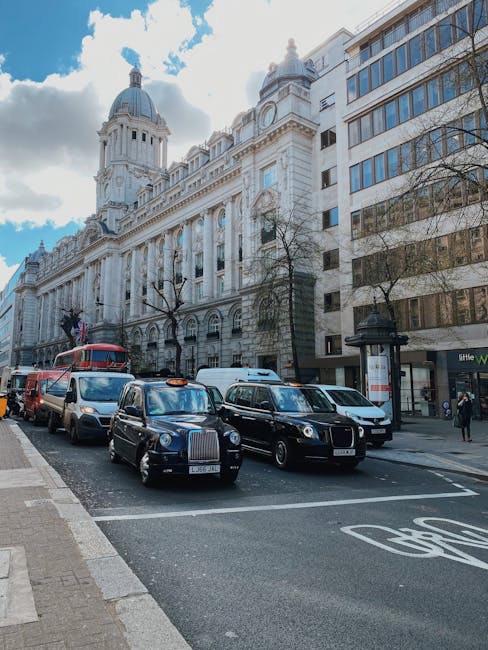
Kingsland Road sits in one of Hackney's busiest, most characterful corridors. That is great for business visibility, not always great for moving furniture through a doorway at 8:15 on a weekday. Office relocations here tend to be affected by narrow access, frequent traffic, nearby businesses, delivery vans, pedestrians, and the general unpredictability of London streets. In plain English: you need a plan.
A well-run office move protects your team, your equipment, and your trading time. If you misjudge the sequence, a simple relocation can turn into downtime that ripples through the week. Phones are off. Laptops are in the wrong crate. The whiteboard markers are somehow in the kitchen box. It happens. The aim is not perfection. The aim is control.
This is especially important for businesses that handle client data, expensive devices, shared desks, or specialist items. A move is not just a physical task; it is a continuity exercise. Done well, it can also be a good moment to tidy processes, reduce clutter, and reset the workspace. That is why many businesses pair their relocation planning with advice on planning a successful office relocation and, when the desk drawers have quietly become a small archive, downsizing before your move.
How Office removals on Kingsland Road Hackney expert tips Works
At a practical level, an office removal follows a fairly predictable rhythm. First comes the survey or assessment, then the planning, then the packing and labelling, then the move itself, and finally the setup at the new address. The tricky part is that each stage depends on the one before it. If the inventory is weak, packing takes longer. If access details are missed, the van waits. If the new office is not ready, boxes get stacked into whatever corner is nearest. Not ideal.
For Kingsland Road moves, good planning starts with access. You need to know where the vehicle can stop, where items can be carried from, whether lifts are available, and how long the loading phase will realistically take. It is worth checking the route between the current office and the new premises, too. A move that looks "just down the road" can still take longer than expected if the streets are busy or parking is tight.
Office removals are often more successful when they are broken into smaller tasks for departments or work zones. For example, reception, finance, and IT may need different packing rules. Sensitive files need separate handling. Monitors need protective materials. Desks may need disassembly. This is where a coordinated removals service becomes helpful, especially if you want support beyond just transport. If you are comparing options, the site's services overview is a sensible starting point for understanding the broader moving support available.
Key Benefits and Practical Advantages
The obvious benefit is reduced stress. The less obvious benefit is that a structured move often saves money indirectly by reducing lost time, damage, and duplicated work. A badly labelled office move can eat into several days of productivity. A cleanly run one can have staff back at their desks much faster than expected.
Here are the main advantages of handling office removals properly on Kingsland Road:
- Less downtime: staff can resume work faster when equipment and departments are set up in the right order.
- Lower breakage risk: monitors, printers, chairs, and storage units are protected better when packed properly.
- Clearer accountability: labelled boxes and assigned owners prevent the classic "whose cable is this?" problem.
- Better use of limited access: timing the move around local traffic and loading conditions helps keep things moving.
- Improved morale: a tidy move feels organised, and people notice that. It gives the whole team a better start.
There is also a sustainability angle. A move is an opportunity to recycle outdated items responsibly, reduce waste, and avoid carrying clutter into a new space. If you want to handle that more thoughtfully, see the company's approach to recycling and sustainability. That matters more now than many offices realise, especially when old furniture, packaging, and redundant equipment pile up quicker than expected.
Who This Is For and When It Makes Sense
This guide is for small businesses, start-ups, studios, agencies, professional practices, and growing teams moving within Hackney or into the Kingsland Road area. It also helps if you are relocating just a few workstations, not a whole floor. Truth be told, smaller office moves can be just as fiddly because they often rely on fewer people doing multiple jobs at once.
It makes sense to lean into expert planning if any of the following apply:
- you have IT equipment, filing systems, or specialist gear;
- you need to move outside standard business hours;
- your building has limited lift access or a narrow stairwell;
- you cannot afford a long interruption to trading;
- you are moving in stages rather than all at once;
- you want help with packing, dismantling, and reassembly.
It is also worth considering a more flexible moving option if you are dealing with last-minute changes. Some offices only need a practical vehicle-and-labour setup rather than a full-service relocation. In those cases, a man and van service or a more comprehensive removal services approach may be the better fit. For urgent jobs, the availability of same day removals can be useful, though it is always better to plan ahead if you possibly can.
Step-by-Step Guidance
Here is a straightforward way to manage an office move on Kingsland Road without making it ten times harder than it needs to be.
-
Audit everything first.
Walk through the office and list desks, chairs, screens, filing cabinets, boxes of stationery, server items, and anything fragile or awkward. You need a real inventory, not a hopeful guess. That one shelf in the corner? Count it. That printer nobody uses? Count that too.
-
Decide what stays and what goes.
Moves are a brilliant time to clear out dead weight. Old brochures, broken peripherals, duplicate chairs, and unused cables can be removed before moving day. If you want a cleaner start, the advice in downsizing before your move is useful even for office settings, not just homes.
-
Map the access.
Check entrances, stairs, lifts, key codes, and where the van can stop. Kingsland Road can be unforgiving if you assume loading will be easy. It often won't be. A five-minute access check can save a frustrating forty-minute delay.
-
Assign responsibility by zone.
Give each department or workspace an owner. They do not have to pack everything themselves, but they should know what is theirs, what is fragile, and what must not disappear into a random box.
-
Label with intent.
Labels should say more than "misc." Use the room, department, and a short content note. For example: "Finance - files - urgent" or "Marketing - monitor cables - setup first." That little bit of clarity is gold on the other end.
-
Protect the important stuff.
Back up digital data, secure laptops, photograph cable layouts, and separate personal items from work items. If you have specialist equipment or delicate instruments, ask about packing and boxes support and whether extra protection is appropriate for the item.
-
Move in the right order.
Bring essentials first: IT, files needed for immediate operations, basic stationery, and reception items. The espresso machine can wait. Sorry, but it can.
-
Test and settle.
Once the items arrive, check power, Wi-Fi, layout, and access. A good move ends with people being able to work, not just with boxes standing in a room.
Expert Tips for Better Results
These are the small, practical tips that tend to make the biggest difference. Not flashy. Just useful.
Book the move around your office rhythm. If your team is busiest at the end of the month or early mornings, do not make those your moving windows unless you have to. Midweek can be easier. A late afternoon start may work for smaller teams, though it depends on access and how quickly you can unpack. There is no universal perfect time, but there is often a less painful one.
Separate the "must work tomorrow" items. Keep one clearly marked kit for anything that must be live first thing: router, extension leads, basic tools, spare chargers, a few pens, tape, and maybe one kettle if morale matters. Which, let's face it, it usually does.
Take photos before dismantling. Desks, shelving, monitors, and cable routes are easier to rebuild when you have a visual record. A few quick photos on a phone can save a lot of head-scratching later.
Keep security in mind. If you are moving client information or cash-related documents, plan who handles them and when. Sensitive files should not be left sitting in a shared hallway. If there is any doubt about secure handling or payment setup, the information in payment and security can help reassure you about practical safeguards.
Prepare for the old office handover. Many office moves are complicated by deadlines for keys, cleaning, and final inspections. If you leave the old space too late, everything gets rushed. That is when light fittings stay on, drawers are forgotten, and people are still unplugging monitors while the landlord is already looking at the clock.
Use local knowledge where it helps. If you know the area well, use that to your advantage. If not, ask the moving team to think through the local route and the likely pinch points. A calm route plan is underrated. Very underrated.

Common Mistakes to Avoid
Most office moving mistakes are not dramatic. They are just ordinary oversights that snowball.
- Leaving packing until the day before. This almost always creates confusion and increases the chance of damage.
- Underestimating access issues. A van may be parked legally but still be too far away to make loading efficient.
- Not nominating an on-site lead. Without one person making quick decisions, the move can drift.
- Mixing departments in the same boxes. It sounds harmless until unpacking starts.
- Ignoring fragile or awkward items. Big screens, printers, and chairs need actual planning, not optimism.
- Forgetting insurance and liability checks. If something matters to your business, it should be handled with the right level of protection.
- Moving clutter into the new office. That just transfers the mess. Not a win.
One slightly funny but painfully real mistake: people often label boxes perfectly and then put the labels on the hidden side. Brilliant work, except nobody can read them. Try not to do that. We have all seen it happen.
Tools, Resources and Recommendations
You do not need fancy gear to move an office well, but the right basics help a lot.
| Tool or item | Why it helps | Best use |
|---|---|---|
| Strong boxes | Protects documents and smaller office items | Files, stationery, devices, cables |
| Bubble wrap or wraps | Reduces impact damage | Monitors, accessories, fragile parts |
| Labels and markers | Speeds up unpacking and sorting | Room labels, department labels, priority tags |
| Tool kit | Useful for dismantling and reassembly | Desks, shelving, minor adjustments |
| Protective covers | Helps with furniture and surface protection | Chairs, desks, filing units |
| Storage plan | Keeps non-essential items out of the move path | Redundant stock, archived items, overflow equipment |
For businesses that need more than basic transport, it can help to look at removal companies in Hackney or a narrower option such as a removal van service. If you are moving a heavier item as part of the office setup, it is also worth remembering that specialist handling may be sensible. The page on furniture removals in Hackney can be useful when desks, shelving, or reception pieces need extra care.
And if you are moving out of a mixed-use building or working from a compact space, storage may be the missing piece. It keeps the move less crowded, which sounds obvious, but people often forget it until they are standing over three too many boxes. Storage in Hackney can be a sensible buffer when dates do not line up neatly.
Law, Compliance, Standards, or Best Practice
Office moves do not usually involve one single legal hurdle, but they do involve a cluster of best-practice responsibilities. If you ignore those, the move becomes riskier than it needs to be.
At a minimum, businesses should think about health and safety, safe manual handling, secure transport of equipment, and the privacy of paperwork or digital devices. If staff are lifting boxes, those lifts should be reasonable, properly planned, and not treated as a casual afterthought. This is one reason experienced removals teams follow clear loading methods and safety routines rather than improvising on the kerb.
If your office stores personal data, confidential material, or sensitive documents, you should also plan for secure packing and restricted access. That is not just good manners. It is good practice. For anything that may involve claims, liability, or risk allocation, check the relevant terms before moving day. It is a boring step, admittedly, but a very useful one.
It is also sensible to review the company's own policies before the move: health and safety policy, insurance and safety, terms and conditions, and complaints procedure if anything needs to be raised after the fact. You should also be comfortable with the basics of accessibility if your team, clients, or new building require a more thoughtful setup.
One more practical note: when in doubt, document the condition of valuable items before and after the move. A few clear photos and a simple inventory can make everything easier if there is a dispute or an insurance question later.
Options, Methods, or Comparison Table
Not every office needs the same moving method. The right choice depends on size, urgency, and how much hands-on help you want.
| Option | Best for | Pros | Trade-offs |
|---|---|---|---|
| Man and van | Small office loads, light equipment, quicker local moves | Flexible, usually straightforward, often cost-efficient | Less suited to large office inventories or complex setup needs |
| Dedicated removal service | Medium offices, fuller packing needs, awkward access | More support, better coordination, reduced strain on staff | May take more planning and a larger budget |
| Full office relocation support | Busy teams, specialist equipment, time-critical moves | Strong oversight, end-to-end help, less internal disruption | Requires the most preparation and clear scheduling |
If you are undecided, ask yourself a simple question: do you mainly need transport, or do you need the move managed? That answer usually clarifies the choice very quickly. For a more detailed look at service types, the broader removal services page is a useful reference point.
Case Study or Real-World Example
Picture a small creative agency moving from a shared office near Kingsland Road into a slightly larger unit a short distance away. On paper, it looks easy. Same borough, not much distance, nothing too dramatic. In practice, the team has six desks, two printers, a cupboard of archived client files, a few awkward plants, and at least one monitor with a cable that nobody can identify by eye. Classic.
They start by sorting items into three categories: must move, should move, and should not move. That second group matters more than people think. It usually includes old marketing materials, duplicate stationery, and a couple of chairs that are technically functional but should probably retire with dignity. They book the move with enough time to allow for access checks, pack each department separately, and mark the IT box as first-open. One person is assigned to keep track of keys, another to handle client files, and another to confirm the new office is ready for delivery.
On moving day, the van arrives on time, but there is a brief pause because the loading point is busier than expected. No disaster, just a delay. Because the team had planned for that possibility, nobody panics. Boxes are loaded in the right order, the new office is set up with the essentials first, and work resumes the next morning with very little fuss. Not perfect, not cinematic, just efficient. Which is exactly what a good office move should feel like.
In that kind of situation, support from local moving content can also help frame the move. For example, if the relocation is part of a wider change in how the business uses the area, these articles on Hackney's property landscape and resident feedback on Hackney can give a little more context about why so many businesses stay rooted here.
Practical Checklist
Use this as a final working list before the move. Print it if that helps. Sticky note it to the wall. Whatever keeps it in sight.
- confirm move date, arrival window, and access arrangements;
- complete an inventory of furniture, IT, files, and fragile items;
- separate essential items from non-essential items;
- label boxes by department, room, and priority level;
- back up important data and secure devices;
- photograph cable setups and dismantled furniture;
- check parking or loading restrictions for the route;
- set aside a first-day essentials box;
- brief staff on what they are responsible for;
- make sure the new office is clean, accessible, and ready;
- arrange recycling, storage, or disposal for unwanted items;
- keep keys, contracts, and contact details in one safe place.
One small extra: make sure somebody knows where the kettle is. Again, morale matters.
Get a free quote today and see how much you can save.
Conclusion
Office removals on Kingsland Road in Hackney are all about preparation, pace, and not underestimating the little things. If you plan the access, label clearly, protect the important equipment, and give your team a sensible structure, the move becomes much more manageable. It does not need to be fancy. It just needs to be thought through.
And that is the real expert tip, if you want one in a sentence: reduce uncertainty wherever you can. In a busy area like Kingsland Road, certainty is precious. Even a few well-timed decisions can keep the whole process calm, efficient, and surprisingly smooth. Take a breath. You have this.